Peveril Castle: a royal hunting castle above Castleton
Peveril Castle stands on a rocky hilltop in the Derbyshire Peak District, above the village of Castleton. English Heritage calls it one of the most dramatically sited castles in England, and from the 11th to the 16th century it was a base for governing the area around it, the Forest of the Peak. It was a castle more for a king's hunting and rents than for war.
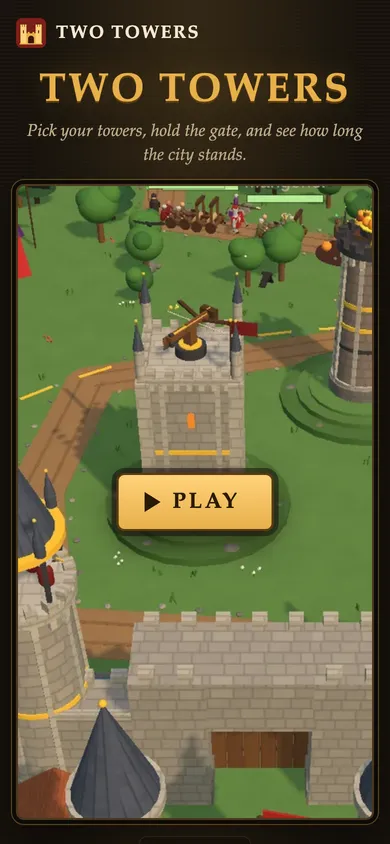
If you like thinking about what a hilltop is good for, Two Towers is a free browser game where you pick the two towers that guard a gate and buy more for the hills.
Peveril Castle on a Derbyshire hilltop
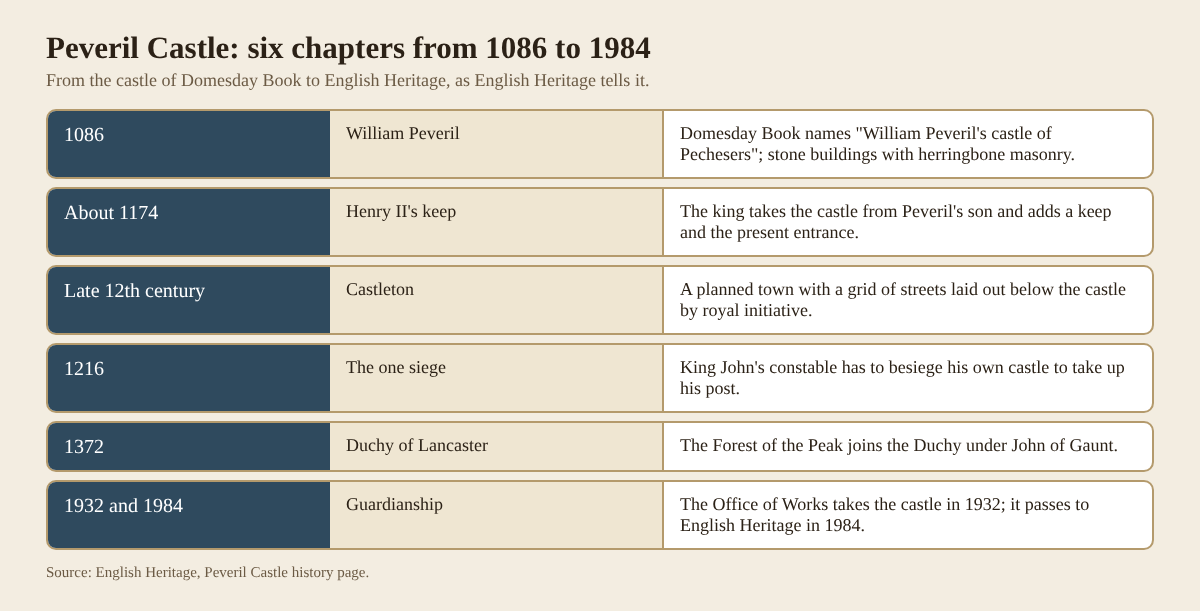
The castle was set up soon after the Norman Conquest of 1066, on a high hill above the Hope Valley and a deep cave, Peak Cavern. English Heritage says the site was probably empty when the Normans came, though prehistoric earthworks and a flint blade found in the castle show people had used it for centuries. Domesday Book of 1086 mentions "William Peveril's castle of Pechesers", and "Pechesers" is the medieval name for Peak Cavern. William Peveril, who gave the castle its name, was Keeper of the Royal Forest.
The castle was placed to control the whole area, which took in hunting grounds and mines for lead and silver. Unusually for a Norman castle its buildings were of stone, not timber. Some of that 11th century work can still be seen, with herringbone masonry, where each course of stones slants the opposite way from the one below it.
William Peveril's castle and Henry II's keep
William's son lost the castle. He fought in the war against Henry II's mother, Matilda, and as a punishment he forfeited it to the king, Henry II. Henry added the keep around 1174 and rebuilt other domestic buildings. The castle's present entrance, which looks out over the new town, dates from his time. It was a back gateway then, which you could reach only on foot. For what a keep was for, see the castle keep post.
Castleton: a planned town below the castle
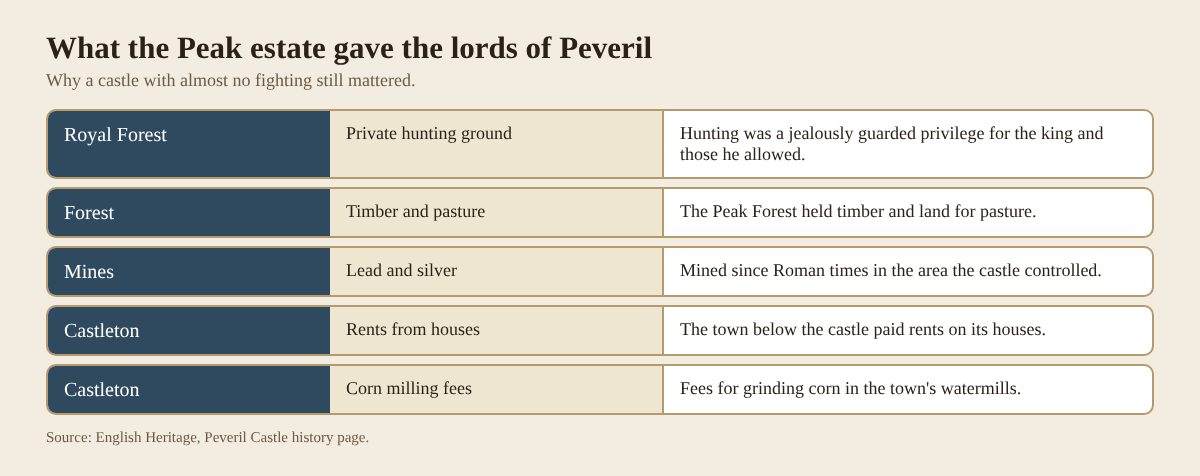
Peveril's lords did not just build a fortress. In the late 12th century the Crown laid out the town of Castleton below it, about 100 years after the castle. English Heritage says the plan was a bank and ditch with a grid of streets inside. The town had a church, which survives, and possibly a marketplace near the foot of the hill. It was hard to see the layout now, but the money mattered. Castleton paid rents on its houses and fees for grinding corn in its watermills, and that income helped to keep the castle's estate going.
A castle for government and hunting, not war
English Heritage says Peveril Castle was used more as a base for hunting and administration than as a military fortress, even though the site was strong. Its only known military action came in 1216, when King John's chosen constable had to besiege his own castle to take up his post. In the 13th century the buildings in the inner bailey were repaired and extended so the castle could be ready for royal visits, but the visits were rare. Henry III came once, yet he still added a new hall on the north side.
In the 14th century the castle and estate passed to a succession of royal favourites and relatives, among them Queen Eleanor of Castile and Queen Isabella of France. In 1372 the Forest of the Peak became part of the Duchy of Lancaster, under the king's uncle John of Gaunt. In the 15th century the buildings were still in use, though sometimes described as needing repair, and the courts and rent collecting were by then held elsewhere in Derbyshire.
The Peak Forest held valuable timber, pasture, and the lead and silver mines that had been worked since Roman times. But it was mainly a private royal hunting ground, and hunting there was a privilege the king guarded jealously for himself and the people he allowed. That is why a castle with so little fighting still mattered. For what a garrison really did in a siege, see the castle garrison post.
From cattle pound to English Heritage
In the 16th century the castle was neglected and decayed, and few uses could be found for it. By Elizabeth I's reign it was so ruinous that pulling it down was considered. Only the keep could still be used, and a survey of 1561 said it served "both for the terror and punishment of offenders and the keeping of the courts". The walled bailey became a pound for straying cattle and for livestock taken from tenants who were in debt. Soon after that, the castle was no longer used at all.
Early visitors to the Peak District barely noticed it, since it was too ruinous to count as "Picturesque". Interest grew after Sir Walter Scott's novel Peveril of the Peak appeared in 1822, though English Heritage notes the book was not actually set in the castle. Castleton and the castle have more recently gained from the growing popularity of walking. In 1932 the castle was placed in the guardianship of the Office of Works, and in 1984 it passed to English Heritage. The slighting a castle post covers castles that were wrecked on purpose, a different fate from Peveril's slow decay.
A worked example: Peveril's high ground as a Two Towers plan
Peveril's lords used a hill to see and control the land around. You can use high ground the same way in Two Towers, with a plan built only from what the game says.
- Pick a kingdom with hills. On the title screen the arrow keys step through the kingdoms. Stonepeak's card reads "Switchbacks and armored attackers; high hills let towers reach further".
- Pick towers for armor. The game's tip says: "Knights' armor turns arrows: Ballista bolts and fire go straight through it." So choose a Ballista or a Fire Tower for one side of the gate.
- Buy the hills. The first hill tower costs 150 gold, and the second costs 300. Any of the four towers can go on a hill.
- Spend between stages. The general tip is "Spend your gold on Damage between stages, and Reinforce the gate."
Then play a few stages and see how far your hill towers reach. The hill towers post has more on what to build on West Hill and East Hill.
Frequently asked questions
Where is Peveril Castle?
On a rocky hilltop in the Derbyshire Peak District, above the village of Castleton and overlooking the Hope Valley and Peak Cavern.
Who built Peveril Castle?
The Normans set it up soon after 1066. William Peveril held it in 1086 and gave it his name, and Henry II added the keep around 1174.
Was Peveril Castle ever besieged?
Only once that English Heritage knows of, in 1216, when King John's chosen constable had to besiege his own castle to take up his post. It was mainly a base for hunting and administration.
Is Peveril Castle in a novel?
Sir Walter Scott's 1822 novel Peveril of the Peak drew visitors to it, but English Heritage says the story was not actually set in the castle.
Get started
Peveril shows how a hill can be worth more than the walls on it. To test your own high ground, play Two Towers: pick your two towers, buy the hills when you can and see how long your gate holds.
Defend the castle gate, stage after stage.
Visit twotowers.vlvd.net↗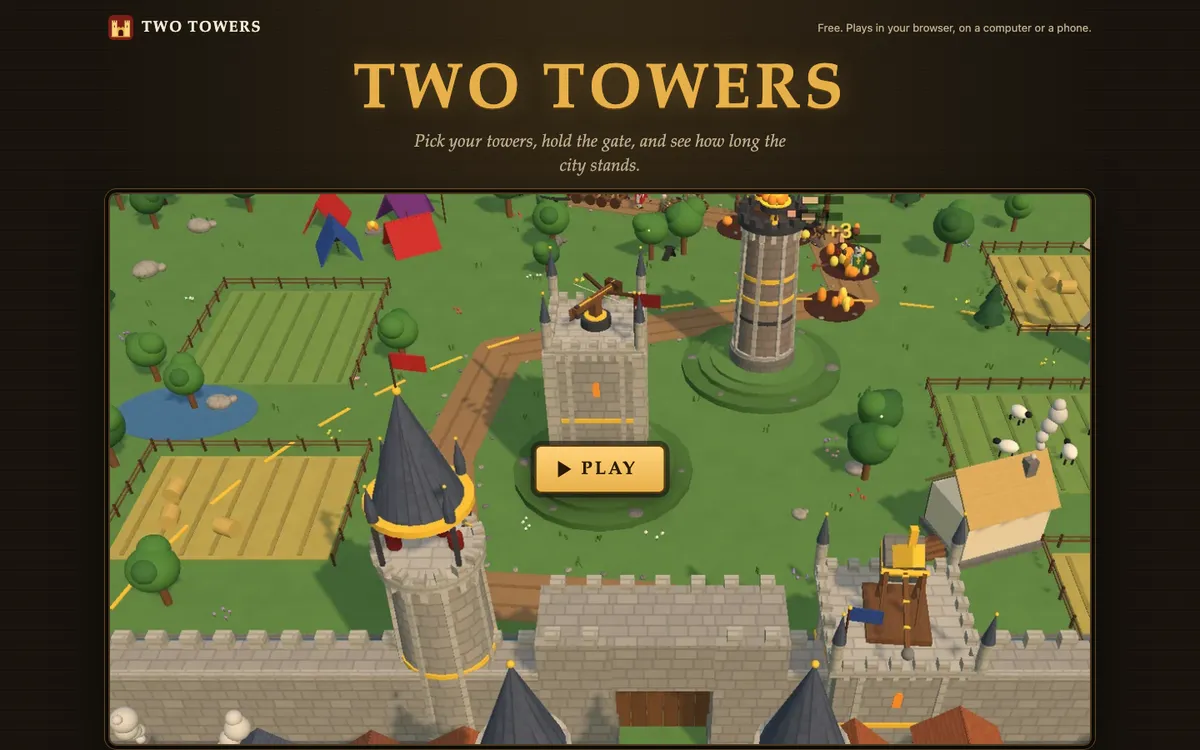
Comments
No comments yet.
Sign in or make an account to comment.