Walking when you feel anxious: 10 playful tips to try
Walking when you feel anxious can be hard to start and easier to keep going once you are out. The NHS lists regular exercise such as walking among the things that can help you relax, and suggests small targets you can easily reach. This guide gives you ten playful tips for the walk itself, from an artist's recipe in Living Streets' Walkbook, a short plan to try, and what the NHS says about when to get help.
If a small, calm goal helps you get out of the door, Cat Go gives you one: walk to the nearest treat stop on its map, and photograph any real cat you meet on the way.
What the NHS says about anxiety and walking
The NHS page on anxiety, fear and panic starts with this: most people feel anxious or scared sometimes, but if it is affecting your life, there are things you can try that may help. Anxiety can show up in your body, such as a faster or more noticeable heartbeat, and in what you do, such as avoiding places and situations that make you anxious.
Among the things it suggests you try, several fit a walk well:
- Regular exercise, such as walking, which can help you relax.
- Calming breathing exercises.
- Small targets you can easily achieve, instead of trying to do everything at once.
- Building up slowly. Rather than avoiding situations that make you anxious, slowly build up the time you spend in them.
- Talking about your feelings to a friend, family member, health professional or counsellor, and remembering you are not alone: most people feel anxiety or fear at some point.
Why a playful walk can help with nerves
Living Streets' The Walkbook: Recipes for Walking and Wellbeing came out of a research project on how people walked during COVID-19. Its public survey asked about the things that stopped people walking, and "anxious", "frightened" and "lack confidence" were on the list. The book's 30 artists wrote recipes to answer barriers like these. Its authors are careful: they do not claim creative walks solve significant health issues, only that they offer creative ways to keep walking.
One of those recipes is "Fear Schmear" by Fiona Cullinan, a Birmingham writer and co-founder of an art-walking collective. Its idea is that language is powerful: take the language of fear for a walk, and knock over its power as you go. Each tip turns a fear saying into something you do.
10 playful tips for walking when you feel anxious
Try some or all of them, and keep your favourites.
- Afraid of your own shadow? Jump into it when you see it. Chase it until it disappears.
- Quaking in your boots? Stamp your feet, walk on tiptoes, then roll through your soles to get back on solid ground.
- Take cover. Shelter where you can, at a bus stop, behind a tree, in a safe space or near a group of people, and take a minute of calm before moving on.
- Heart thudding? Sing a song in your head and walk to its beat. She suggests songs used for CPR rhythm, like Staying Alive or Dancing Queen, then slower songs under 100 beats per minute. How slow can you go?
- Jumping out of your skin? Jump 10 times on the spot, then walk on as normal.
- Carry a talisman. A stone, a conker or a paperclip in your pocket. When anxiety starts, play with it to distract your mind, and stop when it fades.
- Shaking like a leaf? Shake on purpose: hands and feet, then arms and legs, a head jiggle, a full body wiggle and a final giggle.
- A dicey situation. Roll a die to add a little randomness to your walk (see the card below).
- Scared stiff? Tense every muscle as hard as you can, then let go and walk like jelly.
- Take your life into your own hands. Say a mantra as you walk, such as "I am powerful, I am confident, I am at peace", and walk tall: head up, arms swinging, breathing deeply and slowly.
The dice walk for walking when you feel anxious
Tip 8 is a way to practise not knowing what comes next, in small, safe doses. At each junction or corner, roll a single die and pick one move from its list.
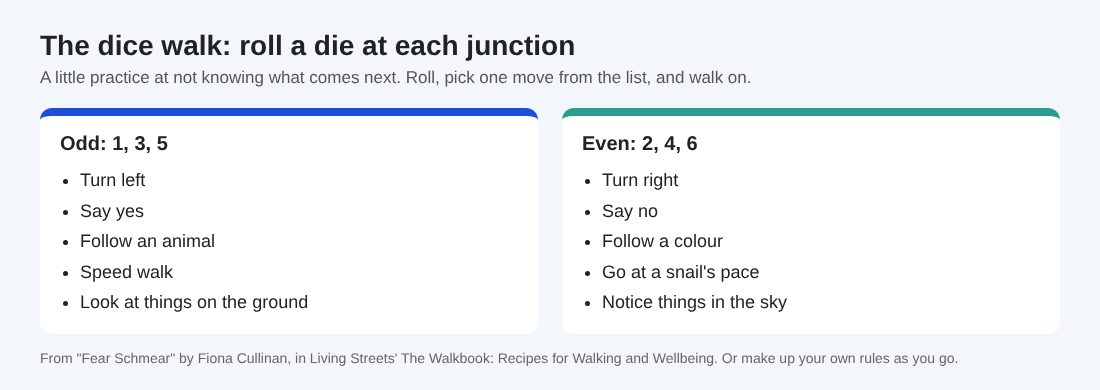
Odd numbers: turn left, say yes, follow an animal, speed walk, or look at things on the ground. Even numbers: turn right, say no, follow a colour, go at a snail's pace, or notice things in the sky. Or make up your own rules as you go. Keep the dice walk to streets you know at first, so the surprise stays small.
A 15-minute walk, worked through
Here is one way to put the NHS's small targets and the fear-busters together. It is a weekday afternoon and you feel wound up.
- Set one small target (before you go). "Walk to the end of the road and back." Put a stone in your pocket as your talisman.
- Shake it out at the door (1 minute). Hands, feet, arms, legs, a head jiggle and a wiggle.
- Walk to a beat (5 minutes). Hum a song in your head and match your steps to it. Then switch to a slower song and let your pace drop.
- Take cover (2 minutes). At the bus stop on the corner, stop. Breathe slowly and turn the stone in your pocket.
- Roll once (3 minutes). A 4: go at a snail's pace and notice the sky for one block.
- Walk home tall (4 minutes). Head up, arms swinging, and say your mantra under your breath.
Back home, note how far you went. Tomorrow, add one more street. That is the NHS's "build up slowly" in practice, one small target at a time. For a gentler start, the mindful walk card gives you breathing activities for doorsteps, rectangles and benches, and is walking good for your mental health covers the NHS's five steps to mental wellbeing.
When to ask for help
The NHS says to see a GP if you are struggling to cope with anxiety, fear or panic, if the things you are trying yourself are not helping, or if you would like a referral to NHS talking therapies. If you are 18 or over (16 or over in some areas), you can refer yourself to NHS talking therapies without seeing a GP. If you or someone you know is in a mental health crisis, the same page lists where to get urgent help.
A walk is something to try alongside that, not instead of it.
Frequently asked questions
Does walking help with anxiety?
The NHS lists regular exercise, including walking, among the things that can help you relax when you feel anxious. It also suggests small targets and building up slowly.
What should I do if I feel anxious on a walk?
Stop somewhere safe, like a bench or a bus stop, and breathe slowly. Holding a small object in your pocket or walking to a slow song in your head are two of the Walkbook's tips.
How far should I walk when I feel anxious?
Set a target you can easily reach, such as the end of your road, and add a little each time. The NHS suggests small, achievable targets rather than doing everything at once.
When should I see a GP about anxiety?
The NHS says to see a GP if you are struggling to cope, if what you are trying is not helping, or if you want a referral to NHS talking therapies.
Get started: a small, calm goal with Cat Go
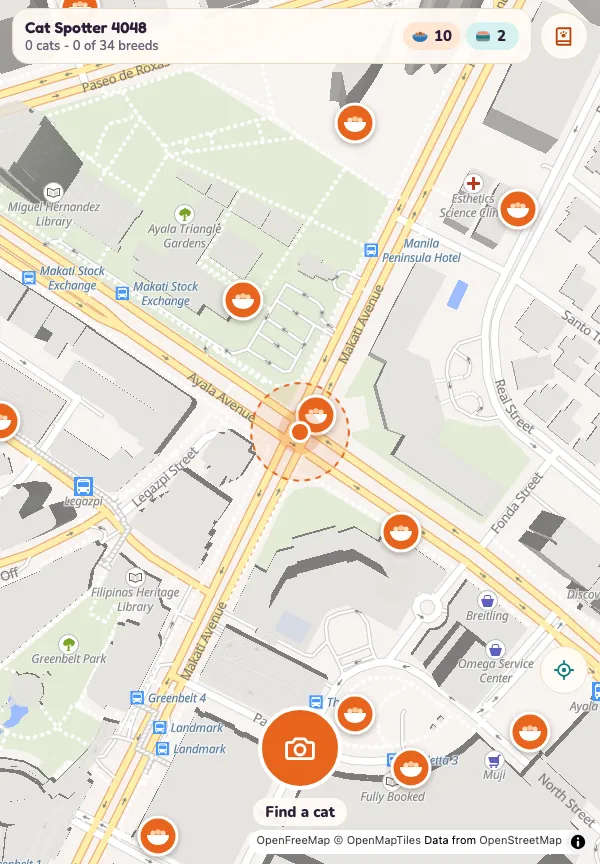
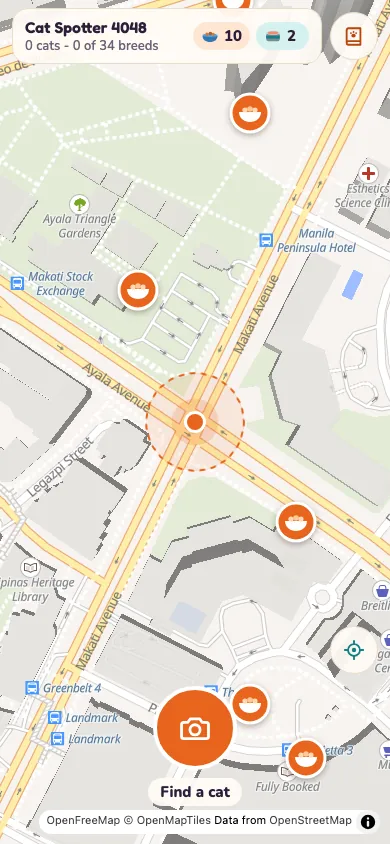
Cat Go can be your small target. Open it at catgo.vlvd.net and allow your camera and location, which it uses to find treat stops and to record where each cat was caught. Pick the nearest treat stop on the map as today's turning point. When you get there, the card says "You're here. Grab what's in the bowl." Tap Collect treats, then head home.
If you meet a cat on the way, stand still and take its photo with the whole cat in the frame. Pick its breed from the list ("Mixed breed is always a safe pick") and toss the in-game treats. The game's own tip suits a nervous day: "Stay calm with your tosses." The cat stays in your Catdex with the place you met it, a small record of a walk you managed.
Play Cat Go in your browser: walk anywhere, photograph a real cat, lure it with food and catch it.
Walk anywhere, find a real cat, and catch it.
Visit catgo.vlvd.net↗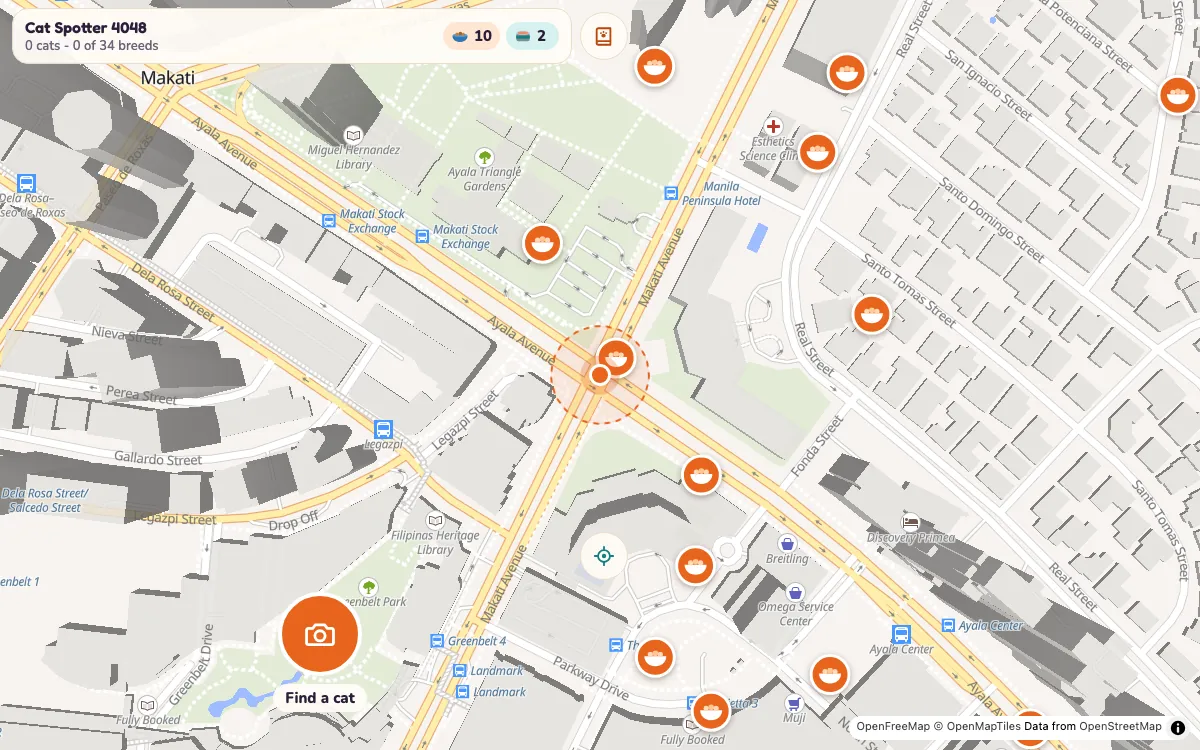
Comments
No comments yet.