Walks for when you need a friend: walk towards someone far away
Walks for when you need a friend start with one idea: walk the distance between you and someone you miss, a little at a time. Work out roughly how far away they are, take short walks, add up the miles, and keep going until you have "arrived". It comes from a recipe in Living Streets' Walkbook, and it works whether your friend is three streets away or in another country. This guide gives you the steps, a six-week plan, and ways to share each walk with them.
If you want something to bring back from each walk, Cat Go turns the real cats you meet on the way into catches you can show your friend, each with its breed and the place you met it.
Feeling isolated is a real reason people walk less
The Walkbook: Recipes for Walking and Wellbeing came out of a research project on how people in the UK walked during COVID-19. In spring 2021 its team ran a public survey and asked what got in the way of walking. The answers included bad weather, boredom, a lack of time, feeling anxious, and feeling isolated.
The team then asked 30 artists to write walking recipes for those barriers. One section of the book, "Connecting and Sharing", is about walking with people you cannot be next to. The authors are careful with their promise: they do not say a creative walk solves serious health problems, only that it offers a way to keep walking.
The recipe: walk the distance to a friend
The recipe is called "Walks for when you need a friend", by the artists greenandowens (Katheryn Owens and Chris Green). Here are its five steps in short.
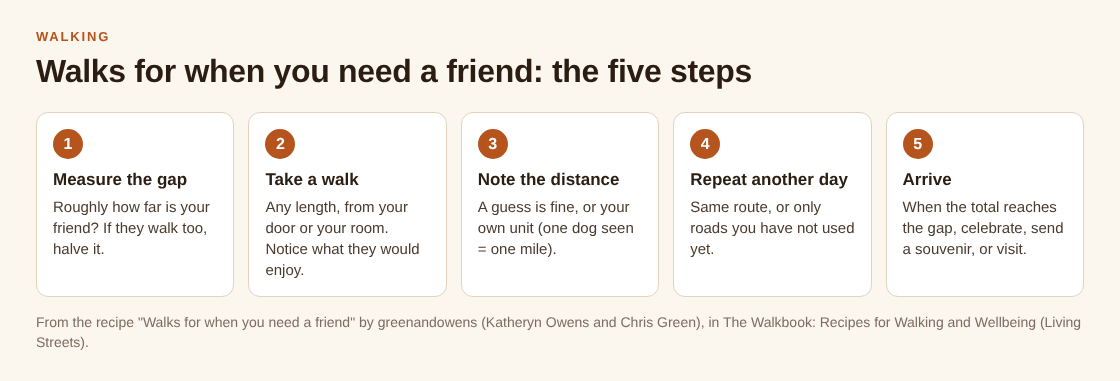
- Measure the gap. Work out roughly how far away your friend is, on a map or with a quick search. It does not need to be accurate. If your friend wants to walk too, halve it.
- Take a walk. Any walk counts, from your door or even inside your home. As you go, think about what you would tell your friend and what they would enjoy.
- Note the distance. A guess is fine. You can also use your own unit: the recipe's example is that every dog you see being walked counts as one mile.
- Repeat another day. Take the same route, or only walk down roads you have not used on your friendship walks yet.
- Arrive. When your total reaches the distance, you are there. If you were walking towards each other, celebrate when you "meet". You might visit for real, or post your friend souvenirs from your walks.
The point is not the miles. Each walk gives you a reason to think about one person, and a story to send them.
Walking towards each other, or on your own
The recipe works two ways, and both are fine.
- Together, apart. You both walk and each of you covers half the distance. Swap your totals each week and agree how you will mark the day you meet in the middle.
- On your own. The recipe also lets you do it alone and privately, walking towards someone you love. That can be a friend you have lost touch with, family far away, or someone you simply miss.
It also scales down. The recipe says the walk can be miles and hours or a few minutes, and you can even do it without leaving your room, by following the lines on a map of a place you would like to see.
Bring something back: the sound of your walk
A second recipe in the same section, "Walks Across Time and Space" by Monique Sundree-Latchmi Rodgers, is about walking with loved ones across borders and oceans. Before you start, take a minute to picture the person you are walking with and where they might be right now.
For a few minutes of the walk, use your voice: hum or sing a song, a poem or a mantra. Then bring back a sound recording to share with them. It can be your song, a nearby stream, the wind in the trees, leaves crunching underfoot, or simply you talking about the walk. The first recipe also suggests keeping a record on a map, in a diary, or in photos or drawings, or keeping none at all.
A six-week plan for walks for when you need a friend
Here is the recipe worked through. You and a friend live about 60 miles apart and both want to take part, so each of you walks 30 miles.
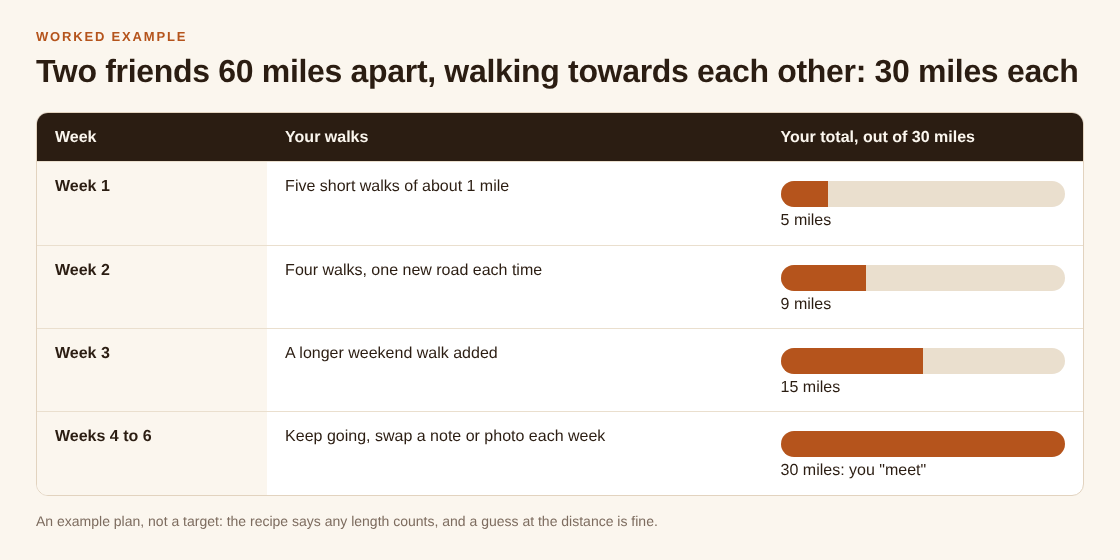
- Week 1: short and often. Five walks of about a mile. On each, pick one thing your friend would like and take a photo of it. Total: about 5 miles.
- Week 2: new roads. Four walks, each down a road you have not used yet. Send your friend your total and one photo. Total: about 9 miles.
- Week 3: one longer walk. Add a longer walk at the weekend. Record a minute of sound on it, the way the second recipe suggests. Total: about 15 miles.
- Weeks 4 to 6: keep going. Swap a note, photo or recording each week. When you both pass 30 miles, you have met. Mark it with a call, a parcel of souvenirs, or a real visit.
The numbers are only an example. If you are not very active but able to walk, the NHS says to build your distance up gradually, so start with whatever feels easy. For more ways to change a walk you know well, see creative walking ideas to try near home.
When your friend can walk beside you
Distance walking is for friends you cannot see. When someone lives close, walking side by side is simpler. The NHS Walking for health page lists a regular walk with a friend, and a stroll with family or friends after dinner, as ways to make walking a habit. It also calls walking in a group a great way to start walking, make new friends and stay motivated.
Every walk counts on the way: the NHS says a brisk 10-minute daily walk has lots of health benefits and counts toward your 150 minutes of weekly exercise. To find someone near you to walk with, read how to find a walking partner.
Frequently asked questions
What is a walk for when you need a friend?
It is a walking recipe from The Walkbook by greenandowens. You work out how far away a friend is and take walks, adding up the distance, until you have walked that far.
Does the distance have to be accurate?
No. The recipe says a rough figure is fine, and you can guess how far each walk was or use your own unit, such as one mile for every dog you see being walked.
Can I do it if my friend does not walk?
Yes. You can walk the whole distance yourself, alone and privately, towards someone you love.
What can I share with my friend after a walk?
Your total, a photo or drawing, a note on a map, or a short sound recording of the walk, as the Walkbook's "Walks Across Time and Space" suggests.
Get started: souvenirs from your walks with Cat Go
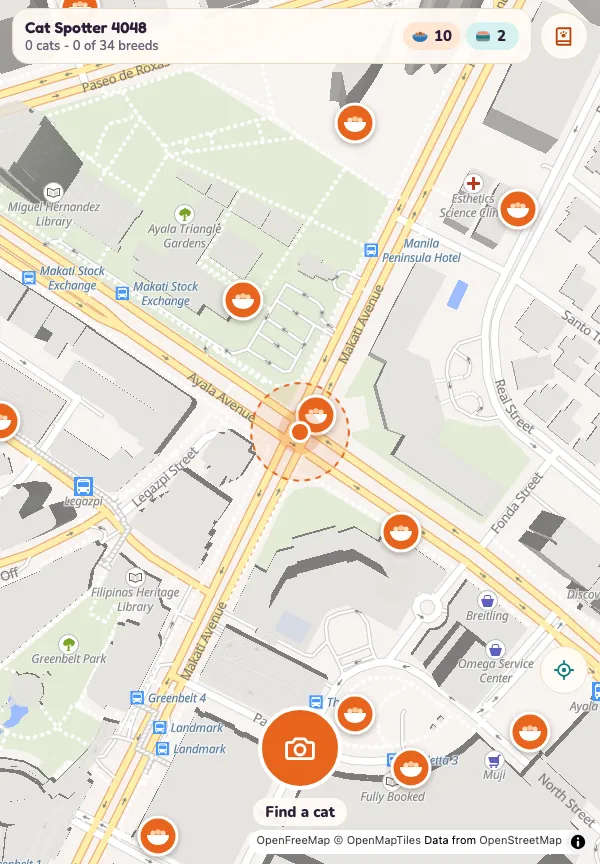
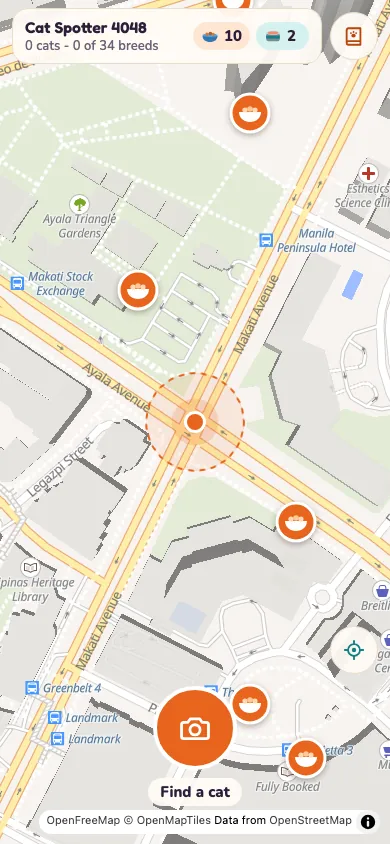
Cat Go gives each friendship walk something to bring back. Open it at catgo.vlvd.net and allow your camera and location, which it uses to find treat stops and to record where each cat was caught. Walk to a treat stop on the map to collect kibble, and sometimes tuna, for the game.
If you meet a real cat on the way, take its photo with the whole cat in the frame, pick its breed from the list ("Mixed breed is always a safe pick") and toss the in-game treats. The cat stays in your Catdex with its breed and the place you met it, ready to show your friend when you swap news about the week's miles.
Play Cat Go in your browser: walk anywhere, photograph a real cat, lure it with food and catch it.
Walk anywhere, find a real cat, and catch it.
Visit catgo.vlvd.net↗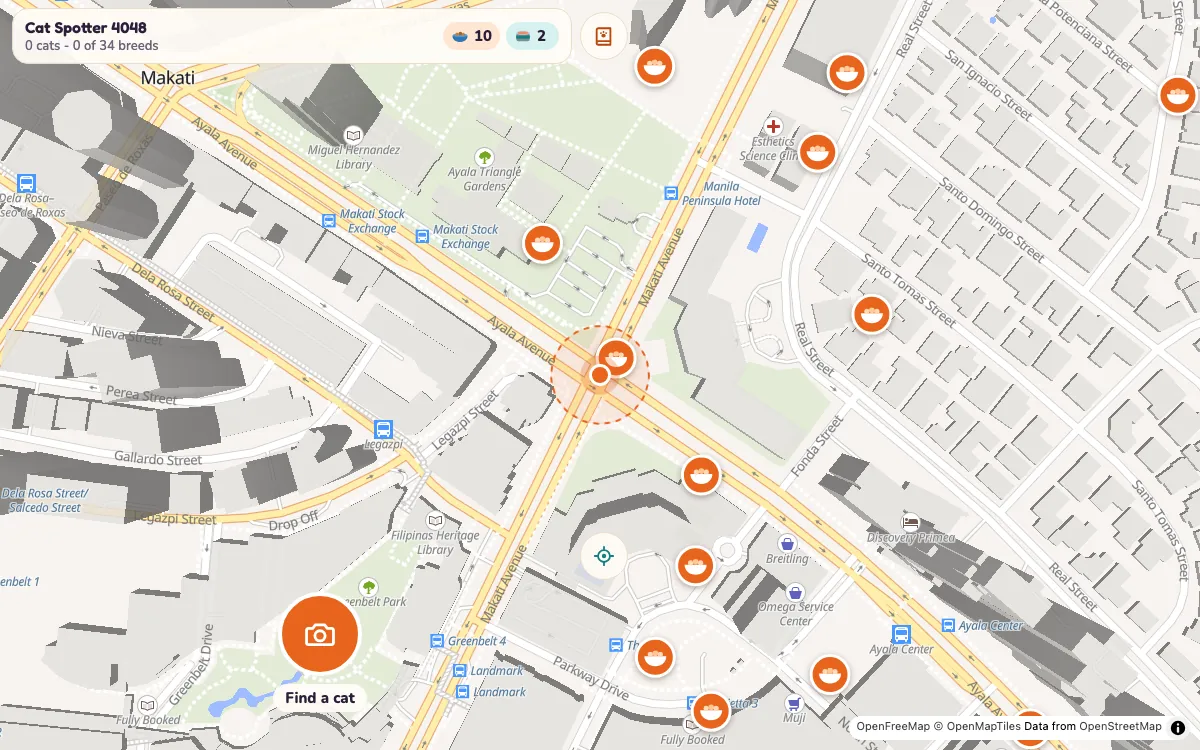
Comments
No comments yet.